The Ultimate Guide to Mold & Pests: Identifying Risks in Your Home
Found mold? You probably have bugs too. We explain the link between purple/black mold and termite or roach infestations. Inspect before you clean.
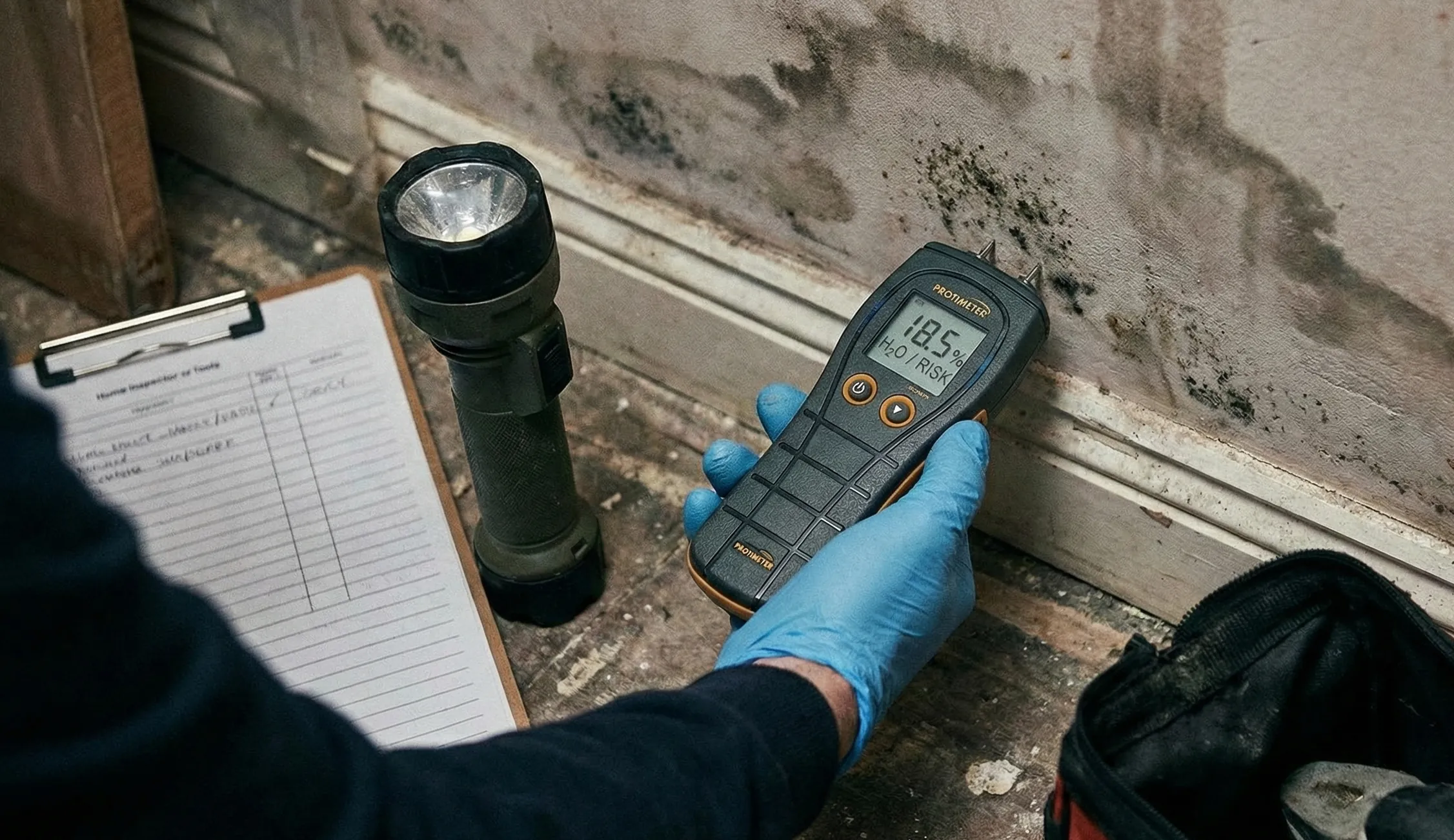
You find a spot on the wall. Maybe it’s in the corner of the bathroom ceiling, or maybe it’s lurking behind the washing machine. It’s dark, fuzzy, and it smells like wet socks. Your first instinct is to grab a bottle of bleach and scrub it until the paint peels off.
That’s a mistake.
The spot on the wall isn’t the problem. It’s a symptom. It’s a billboard telling you that your home is bleeding water somewhere it shouldn't be. And where there is water, biology happens fast.
Most homeowners treat mold as a hygiene issue. They think they just need to clean more. But if you have mold, you have moisture. And if you have moisture, you are rolling out the red carpet for creatures much worse than a fungus. You are creating a five-star hotel for termites, cockroaches, and silverfish.
This guide connects the dots between that strange colored fuzz on your drywall and the pests likely living inside that same wall.
Decoding the colors: what that mold actually is
Since you are here, you probably already found something growing. Before we talk about why bugs are likely eating your subfloor, let’s identify what you are looking at. Different molds thrive in different stages of water damage, and the color can tell you how long the leak has been active.
Purple Mold: The Rare Warning
You don’t see this one often. When people search for "purple mold," they are usually looking at Fusarium or Gibberella. It’s startling because it looks unnatural, like someone spilled grape juice or ink.
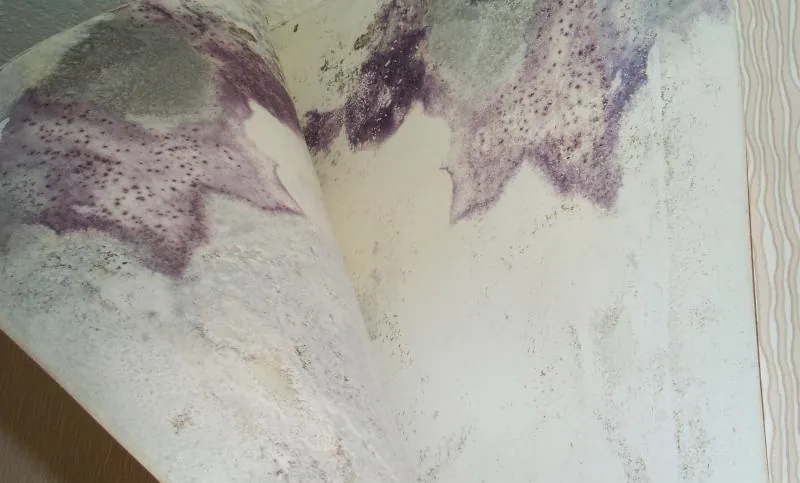
Purple mold rarely grows on just "damp" surfaces. It needs serious saturation. It loves paper products—specifically the paper backing of drywall or the glue behind wallpaper. If you peel back a corner of peeling wallpaper and see violet or dark pink streaks, that drywall is soaked through.
The Risk: Fusarium produces mycotoxins, but the structural risk is higher. If the drywall is wet enough to grow purple mold, it is soft enough for insects to bore through without any resistance.
Yellow Mold: The "Slime" Factor
Yellow mold (Aspergillus or Mucor) often tricks people. It doesn't always look fuzzy. In the early stages, it looks like a slime layer or yellow pollen dust. You will usually find this in high-humidity areas rather than direct leaks—think bathrooms with bad ventilation or basements with dirt floors.
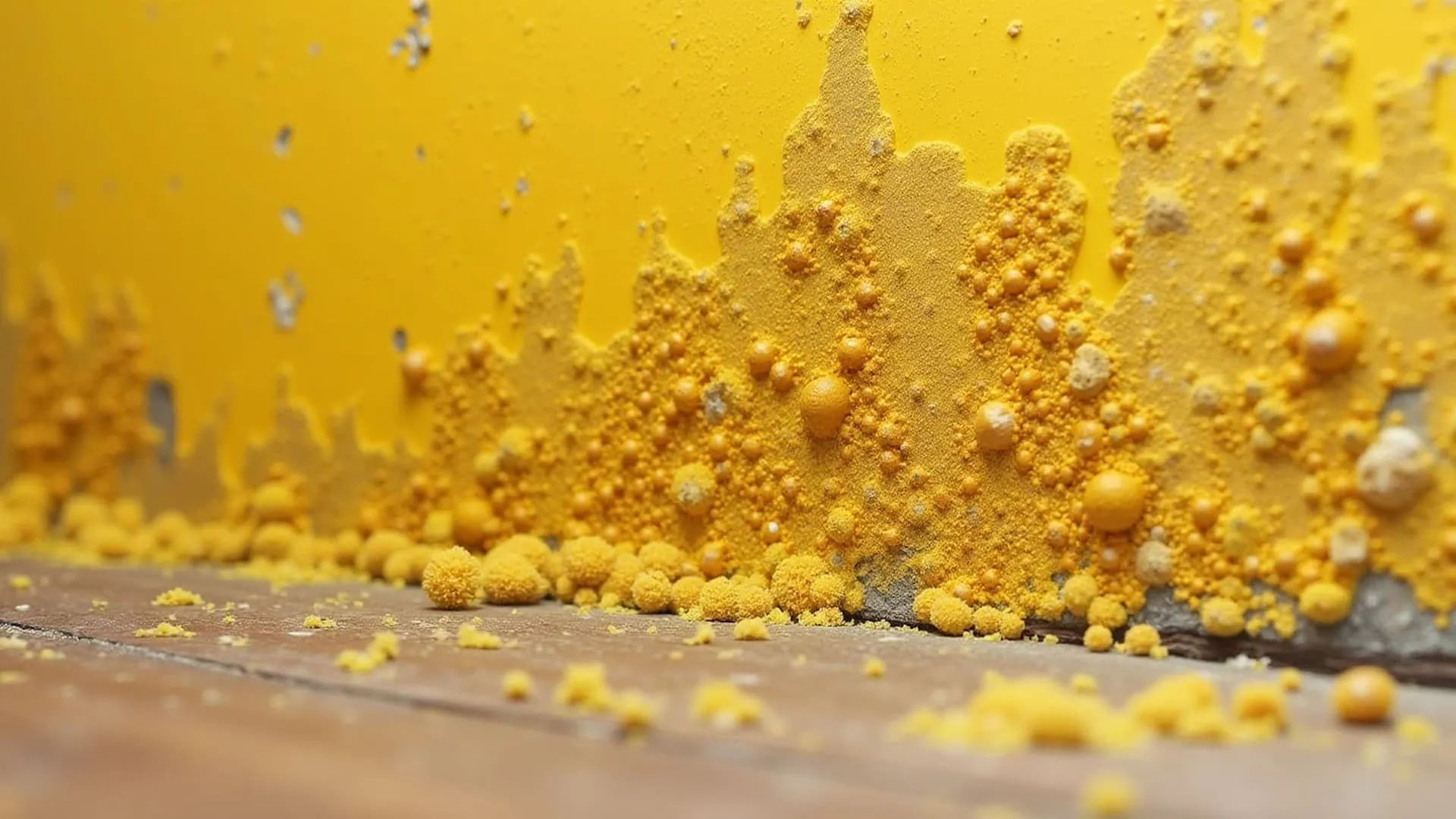
It loves organic decay. If you have potted plants indoors, check the soil. If you have a pile of old cardboard in the garage, check the bottom box.
The Risk: Yellow mold indicates high ambient humidity. This is the exact environment silverfish need to survive. They don't drink water; they absorb moisture from the air. Yellow mold is their dinner bell.
Black Mold: The Heavy Hitter
This is the one that makes headlines. Stachybotrys chartarum.
Let’s clear up a misconception: not every dark patch is "toxic black mold." Many common molds, like Cladosporium, are black or dark green. But you cannot tell the difference without a microscope, so you have to treat them all with the same level of caution.
True black mold needs a constant water source. It doesn't grow from a one-time spill. It grows from a pipe that has been dripping inside a wall for six months. It likes cellulose-rich materials—fiberboard, gypsum board, paper.
The Risk: Aside from the well-documented health concerns (respiratory issues, fatigue), black mold breaks down the cellular structure of your home’s frame. It turns hard wood into soft sponge.
The Pivot: Why Mold Is Just the Opening Act
Here is the reality check. You can scrub the purple, yellow, or black stains off the wall. You can paint over them with heavy-duty primer. You can run a dehumidifier until your electric bill doubles.
But if you don’t find the water source, the mold comes back.
And while you are fighting the fungus, something else is moving in. This is the connection most homeowners miss until it is too expensive to ignore: The conditions that grow mold are the exact same conditions that breed pests.
Nature is efficient. Mold softens building materials. It pre-digests the wood and paper. Then, insects move in to finish the job. It is a cycle of decay, and your house is the fuel.
The "Wet Wood" Signal
Termites generally do not attack dry, cured lumber. It’s too hard, and they risk drying out. Subterranean termites—the ones that cause billions in damages annually—need moisture to survive.
When a pipe leaks behind your shower, it soaks the wooden studs. Mold spores land and start eating the surface of the wood. This releases distinct chemical signals—volatile organic compounds (VOCs).
Termites can smell this decay. They follow the scent of rotting wood like a shark follows blood. They don't just find a way in; they are invited in by the scent of the mold you are trying to scrub away.
The Three Pests That Follow the Fungus
If you have spotted mold, you need to stop looking at the surface and start listening inside the walls. Here are the three invaders that almost always accompany water damage.
1. Silverfish and the Paper Trail
Silverfish are primitive, creepy-looking insects that move like fish. They eat carbohydrates: sugar and starch.
Mold growing on drywall paper or wallpaper glue breaks down those starches, making them easier for silverfish to digest. If you have a patch of mold in a closet or bathroom, look closely at the floorboards nearby. If you see tiny, silvery flashes darting away when you turn on the light, you have a silverfish infestation.
They graze on the mold itself, but they also eat the wallpaper, books, and photos stored in that damp environment. They are the "ground troops" of a moisture problem.
2. Cockroaches: The Thirsty Scavengers
Roaches can live a month without food, but they will die in a week without water.
In a dry home, roaches stick to the kitchen sink or the pet bowl. In a home with a mold issue, the entire wall cavity becomes a hydration station. A small leak under a sink provides enough water to sustain a colony of hundreds.
If you have mold under a sink or behind a refrigerator, and you see coffee-ground-like specks nearby, that is roach droppings. They love the localized humidity that mold creates. The mold keeps the air damp, allowing roaches to breed outside of the kitchen and bathroom, spreading into bedrooms and living areas.
3. Termites: The Silent Destroyers
This is the scenario that costs you ten thousand dollars.
Dampwood termites and Subterranean termites specifically target wood with high moisture content. As mentioned earlier, the mold softens the timber. The termites eat the wood from the inside out.
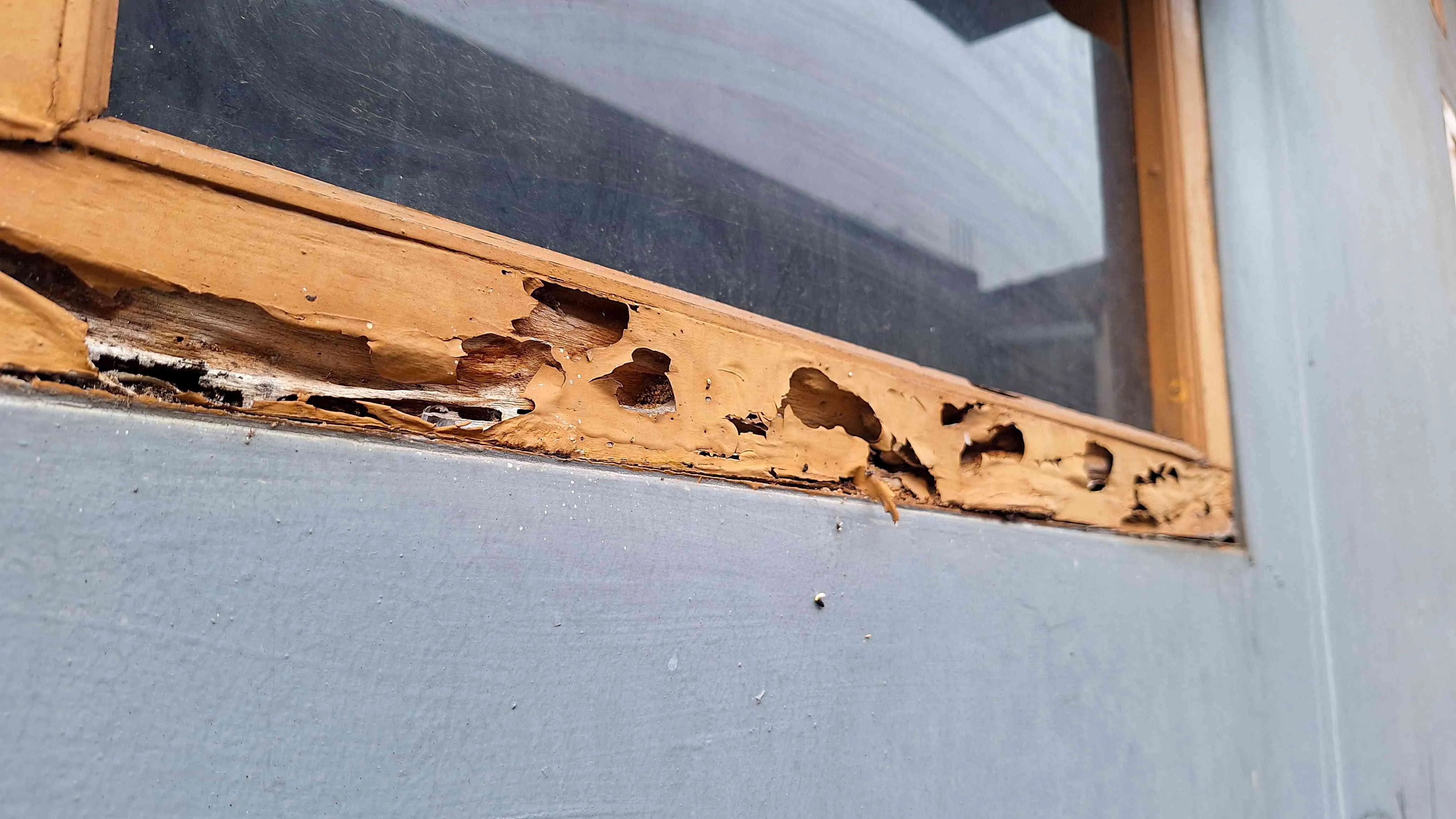
You might see a patch of black mold on a baseboard. You wipe it off. It looks fine. But behind that baseboard, the wood is hollow. You push your finger against it, and it crumbles. That isn’t just rot; that’s excavation.
The scary part? You won’t see the termites. They stay inside the wood where the humidity is high. By the time you see a swarmer (a flying termite) in your living room, the colony is already massive.
How to Inspect (Don't Just Clean)
If you found mold today, your weekend plans just changed. You need to investigate the extent of the damage. Do not just grab a sponge. Grab a flashlight and a screwdriver.
Step 1: The Push Test Go to the area where the mold is. Press on the drywall or the wood trim. Does it feel spongy? Does it give way? If the wood is soft, you have passed the point of "surface mold" and entered the territory of structural rot and termite risk.
Step 2: Check the Perimeter Go outside. Look at the foundation of your house corresponding to where the indoor mold is. Is the soil wet? Is there mulch piled up against the siding? Termites build mud tubes from the ground up to reach the wet wood inside your walls. These look like lines of dried clay running up the concrete foundation.
Step 3: Look for Frass Termites and carpenter ants leave behind debris. Carpenter ants don't eat wood; they just chew it out to build nests. They kick out "frass"—which looks like sawdust mixed with insect parts. If you see sawdust piles below a moldy window sill, you have ants. If you see tiny hexagonal pellets, you have drywood termites.
When to Call a Professional
There is a specific threshold where DIY stops being effective.
If the mold covers an area larger than 10 square feet (roughly a 3ft by 3ft patch), the EPA suggests professional remediation. But that guidance is incomplete because it ignores the pests.
You need to call a pro if: * The wood is soft: This means structural integrity is compromised. * You see mud tubes outside: You have active termites. * You hear clicking sounds in the wall: This is the sound of soldier termites banging their heads against the wood to signal danger. * The mold keeps coming back after cleaning: This means the water source is still active, and the ecosystem inside your wall is thriving.
The Bottom Line
Mold is ugly. It ruins paint and makes your house smell old. But in the grand scheme of homeownership, mold is the "check engine" light. It is annoying, but it is trying to save you from a total engine failure.
The real danger isn't the purple or yellow fuzz. The real danger is what happens when that moisture invites the food chain into your home. A wet two-by-four is a buffet for pests.
Don't just wipe the wall and walk away. If you have the moisture for mold, you have the moisture for an infestation. Treat the fungal warning seriously, or you’ll be dealing with the exterminator later.
If you suspect your mold problem has already evolved into a pest problem, get a combined inspection. It’s cheaper to fix a leak and spray for bugs now than to replace a load-bearing wall next year.