Attic Hazards: Asbestos, Insulation, and Rodents
Old attic insulation often contains asbestos. When rodents move in, they disturb it, releasing toxic dust into your home. Learn how to spot the risk.
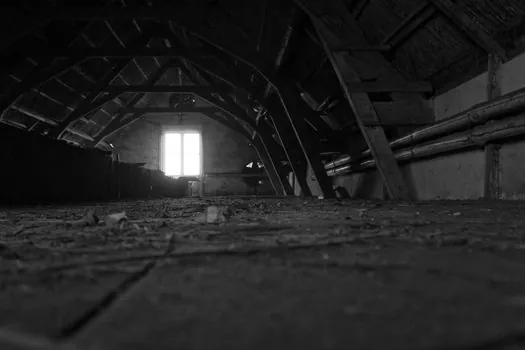
Most homeowners treat their attic like a storage locker. It’s where the Christmas decorations and old tax returns live. You pull down the ladder, climb up, grab a box, and get out before the heat becomes unbearable.
But if your home was built before 1980, that attic is effectively a hazardous waste site.
Between the insulation materials used in the mid-century and the pests that love to nest in them, the attic is the most dangerous room in your house. The danger isn't just breathing the air up there; it's what happens when things start moving around.
Here is the reality of what is sitting above your ceiling—and why you shouldn't disturb it without a plan.
The Silent Threat: Asbestos in Plain Sight
For decades, asbestos was the miracle material. It didn't burn, it insulated well, and it was cheap. Builders put it everywhere. Today, we know better, but the material is still there, sitting in millions of American attics.
Popcorn Ceilings
If you have that bumpy, textured texture on your ceiling (often called "acoustic" or "popcorn" ceiling), and it was applied before 1979, there is a high probability it contains asbestos fibers.
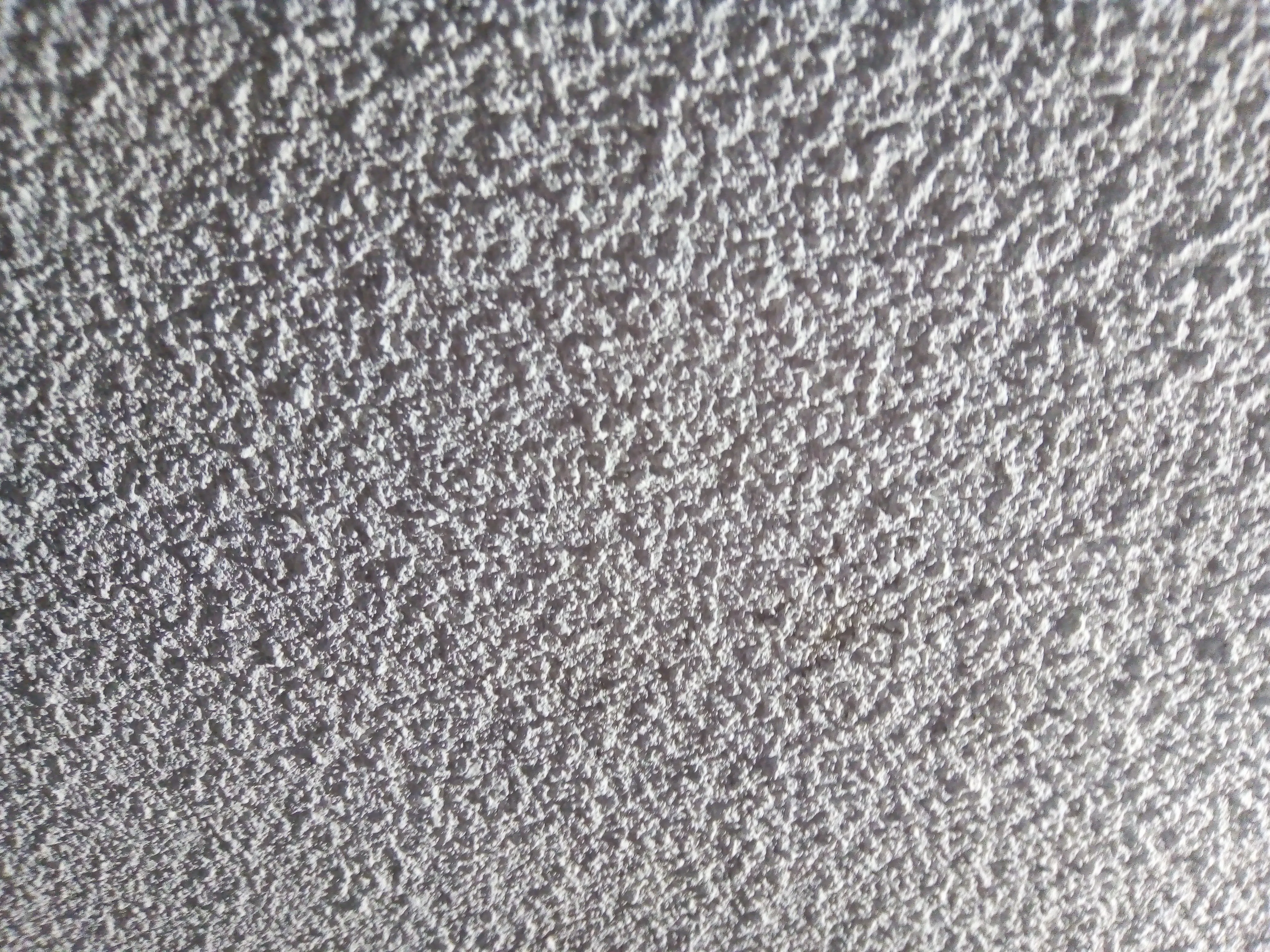
Left alone, it’s relatively safe. The problem starts when you decide to scrape it off during a DIY renovation, or when a water leak damages the drywall, causing the texture to crumble and release dust.
Vermiculite Insulation
This is the big one for attics. Vermiculite looks like gravel or pebbles. It’s usually gray-brown or silver-gold and has a shiny, mica-like appearance. It lays loose on the attic floor between the joists.
Not all vermiculite contains asbestos, but a massive percentage of it came from the Libby Mine in Montana, which was contaminated with Tremolite asbestos. If you see pebble-like insulation, do not touch it. Do not sweep it. Do not store boxes on top of it.
The Pivot: The "Active" Danger
Here is where the advice usually ends: "If you have asbestos, leave it alone."
That is terrible advice because it assumes your attic is a static, empty environment. It isn't. You might not be up there walking around, but something else is.
Rodents, raccoons, and squirrels love old insulation. Fiberglass and vermiculite make perfect bedding.
This is the critical connection: You can follow all the safety rules and never touch your attic, but if a family of rats moves in, they will disturb the hazardous material for you.
The "Toxic Dust" Effect
When a rat burrows through vermiculite insulation, it acts like a tiny rototiller. It grinds the material against itself, releasing microscopic asbestos fibers into the air.
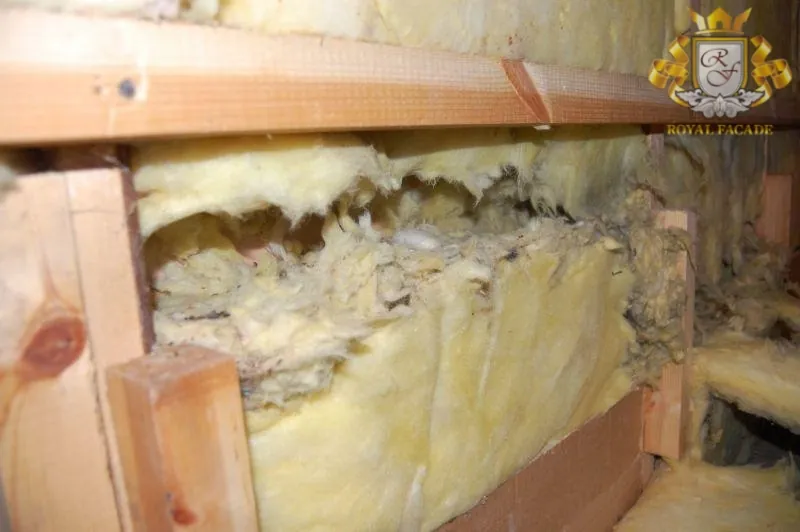
These fibers don't just stay in the attic. * They drift down through unsealed light fixtures (recessed lighting is a major culprit). * They enter the living space through attic hatches that aren't weather-stripped. * They get sucked into your HVAC system if you have ductwork running through the attic.
Rats and squirrels turn a dormant, manageable risk into an active, airborne hazard. They are effectively sandblasting your asbestos 24/7.
Identifying the Intruders
Before you even think about insulation removal or renovation, you need to check for activity. If you disturb the insulation while pests are present, you risk being bitten or exposed to Hantavirus, in addition to the asbestos risk.
1. The Matting Check Shine a flashlight across the top of your insulation. Does it look fluffy and even? Or does it look matted down in trails? Rats create "highways" through fiberglass. If the insulation looks trampled, you have traffic.
2. The Latrine Areas Raccoons and larger rodents tend to use one specific area as a toilet. If you see a pile of droppings in one corner of the insulation, that insulation is now a biohazard. The urine soaks into the ceiling drywall below, often causing stains that homeowners mistake for roof leaks.
3. Shredded Paper Rodents need soft material for nesting. If you see the paper backing of insulation torn up, or bits of cardboard boxes shredded and mixed with the insulation, you have an active nest.
The Safe Sequence of Action
If you suspect you have old insulation and might have pests, do not go up there with a broom. You will create a toxic cloud.
- Stop: Do not disturb the material. Assume it contains asbestos until tested.
- Inspect (from a distance): Look for signs of pests (droppings, trails).
- Pest Inspection First: Call a pest control professional who is rated for "exclusion work." Tell them you suspect asbestos. They can seal the entry points on the roof and exterior to stop new pests from entering.
- Remediation: Once the house is sealed, you need a remediation team to safely vacuum out the contaminated insulation and droppings using HEPA-filtered equipment.
Bottom Line
Your attic is a system. The insulation keeps the heat in, but it also hides the history of your home’s construction. When pests enter that system, they break the containment.
Don't just look at the pink or gray fluff and think about R-value. Look at it and ask: "What is living in there, and what are they kicking up into the air I breathe?"
Before you start your next home improvement project, verify that your attic is actually empty. If it's not, you have a pest problem and a contamination problem wrapped in one.