Kissing Bugs: The Media Scare vs. Reality
Worried about Chagas disease? Don't panic. Learn how to distinguish a deadly Kissing Bug from a harmless Stink Bug or Leaf Footed Bug.
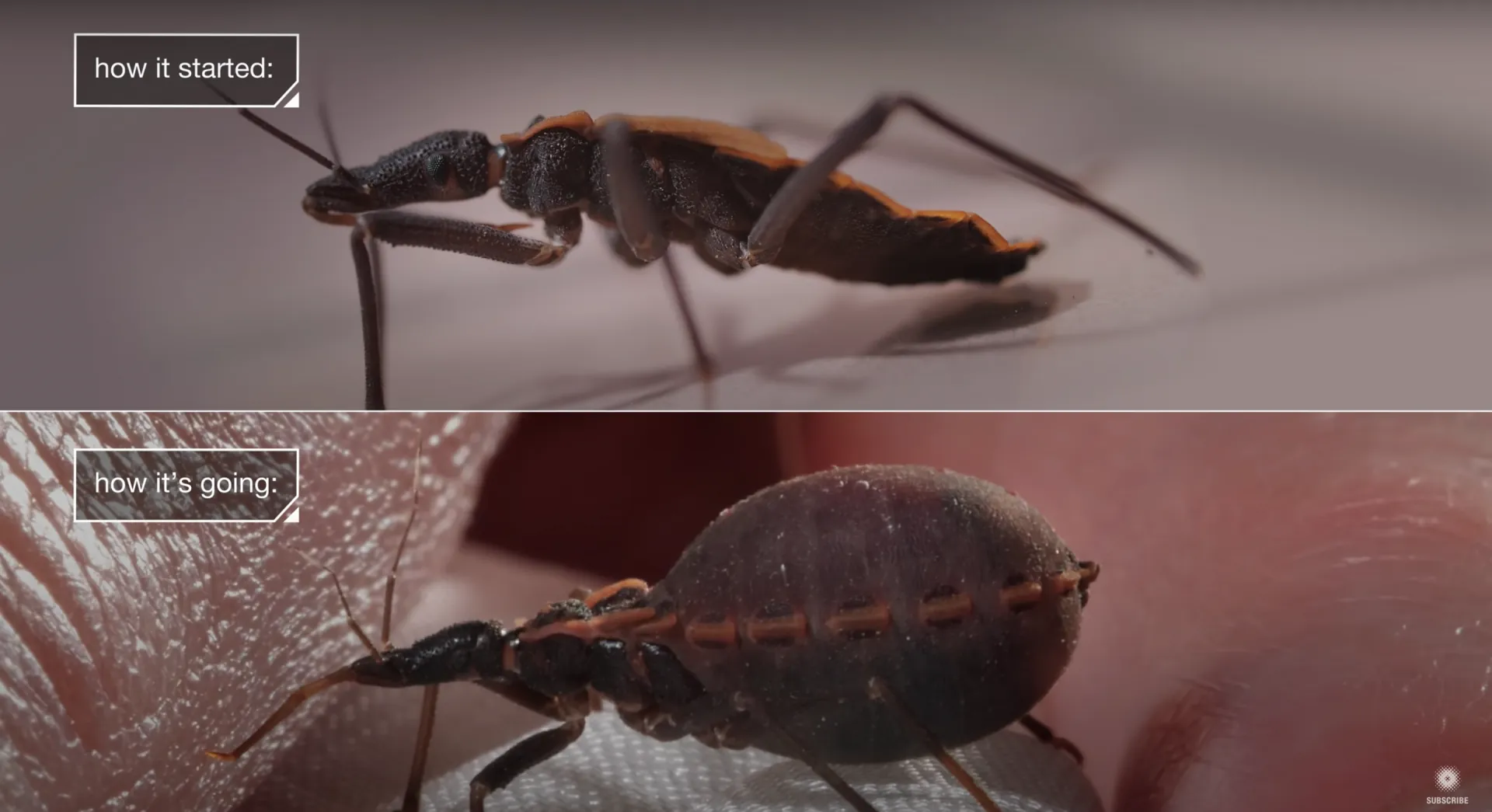
Every year, the news runs a scary story about "Kissing Bugs" spreading Chagas disease. People panic. They find a Stink Bug or a Western Conifer Seed Bug and think they are going to die.
Let's lower the temperature.
Yes, Kissing Bugs (Triatomines) exist in the US, mostly in the South and Southwest. Yes, they can carry a parasite. But the transmission rate in the US is extremely low compared to South America.
Identification (The Cone Nose)
Kissing bugs look like assassins. * The Head: Long and cone-shaped. * The Body: Dark brown/black with orange or red stripes on the edge of the body (the abdomen rim). * The Legs: Thin and spindly.
If the bug has wide, flat legs? It's likely a Leaf Footed Bug (harmless). If it looks like a shield? Stink Bug (harmless).
Why "Kissing"?
They bite around the mouth or eyes while you sleep because the skin is thin there. Creepy, I know.
What to do if you find one
Do not squash it. If it carries the parasite, squashing it can spread the infected feces.
Scoop it into a jar. Put it in the freezer. Contact your local university extension or health department. They actually want to test these bugs to track the disease. In the meantime, seal up cracks around your doors and windows, and turn off porch lights that attract them.