Mice in the Car Engine: A $2,000 Surprise
Car won't start? Mice might have chewed the wires. Learn why rodents love soy-based wiring and how to keep them out of your engine bay.
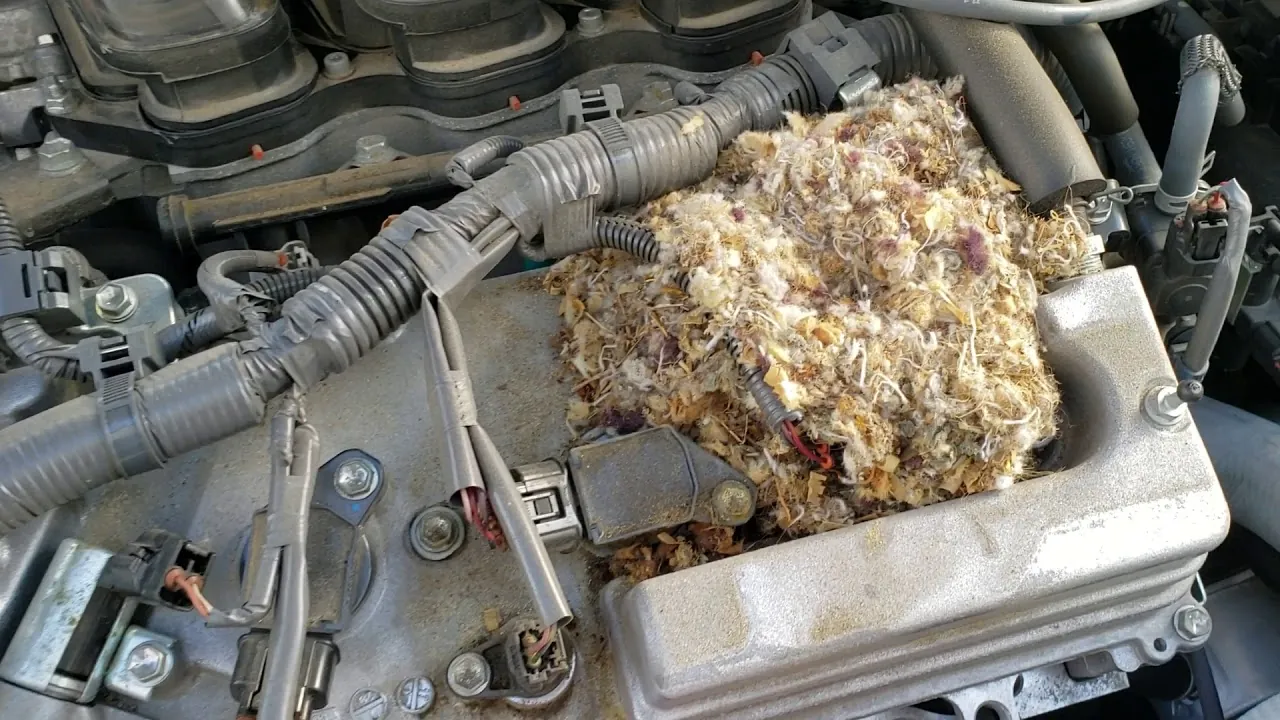
It starts with a weird smell when you turn on the AC. Or maybe the "Check Engine" light flickers. You pop the hood, and there it is: a nest made of shredded napkins sitting right on top of your air filter.
Mice love cars. Modern cars use soy-based insulation on the wiring. To a mouse, your Honda isn't just a warm house; it's a snack.
Why it happens in winter
When you park your car after work, the engine stays warm for hours. If it's freezing outside, that engine block is a radiator for rodents. They crawl up the wheel wells and settle in.
They chew the wires to file their teeth. I've seen harnesses chewed through that cost $3,000 to replace. Insurance covers it sometimes, but it's a nightmare.
How to actually stop them
Standard traps don't work well in a driveway. Here is what I do for my own truck:
- Peppermint Oil: Rodents hate strong scents. Spray a peppermint solution on the firewalls (not on hot engine parts) or hang a specialized rodent repellent pouch under the hood.
- Pop the Hood: If you park in a garage, leave the hood open at night. It eliminates the "dark, cozy cave" feeling. Mice feel exposed and won't nest.
- Light it up: Put a cheap LED work light on the garage floor shining up into the engine bay. They hate light.